by LabStorage | 0,September 25, 2022 | LabStore Highlights
In today’s Histopathology laboratory, particularly large volume labs, tissue cassette selection and use has been standardized down to one or two models of cassette; chosen to accommodate the general tissue(s) they work with. With labs predominately working with breast...
by LabStorage | 0,August 1, 2022 | LabStore Highlights
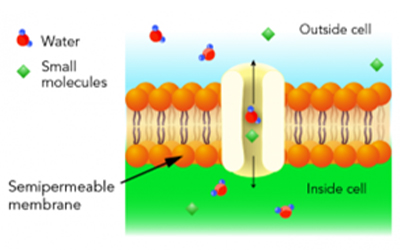
Within the simple basic protocol of slide staining, we see the same science of fluid transfer that is employed in routine tissue processing. Optimal fluid transfer is the foundation of successful, post-fixation, tissue processing steps (dehydration, clearing, wax...

by LabStorage | 0,July 15, 2022 | LabStore Highlights
In the first two articles of this series, we discussed the workflow impediments of Silos and minimal Cross-Training among personnel. It was emphasized that both are extreme liabilities to the laboratory and cause a high frequency of the lab working in crisis mode,...

by LabStorage | 0,June 3, 2022 | LabStore Highlights
In Part 1 of this series, we discussed workplace silos as the first major impediment to optimized workflow. Silos only superficially cover vital tasks or stations within the workflow process, such as accessioning, embedding and microtomy, special stains and...

by LabStorage | 0,May 2, 2022 | LabStore Highlights
Managing today’s multi-disciplinary lab environment is challenging in many aspects. Most clinical (hospital and/or reference lab) environments are marginally to severely understaffed, resulting in a high frequency of crisis situations impeding workflow. Laboratory...

by LabStorage | 0,April 4, 2022 | LabStore Highlights
In Part 1 of this series, we discussed the theory and science of wax infiltration in routine tissue processing. A key point stablished was that the basic paraffin molecule is a simple straight chain molecule composed of hydrogen and carbon atoms. However, for the...

by LabStorage | 0,March 1, 2022 | LabStore Highlights
Paraffin wax is used in the tissue processing sequence where, after fixation, dehydration, and clearing, the tissues are infiltrated with wax to give it structure and support during microtomy. There are a multitude of options for the user to consider, and oftentimes...

by LabStorage | 0,February 9, 2022 | LabStore Highlights
In Part 1 of this series on hard storage systems, we discussed low volume options for the original pathologic sample items (raw tissue, tissue blocks/tissue slides) upon which the diagnosis was made. And how, with the need for legal liability, there is a need for...

by LabStorage | 0,January 11, 2022 | LabStore Highlights
The discipline of Anatomic Pathology is understandably one of the greatest hoarders in the medical profession. While so many other fields of medicine have transitioned to electronic data retention for historical records, in anatomic pathology there still exists the...

by LabStorage | 0,December 1, 2021 | LabStore Highlights
In Part 1 of this series, we discussed enhanced methods to guard against specimen loss during tissue fixation and processing. In this second part, we will continue that discussion from the perspective of biopsy cassettes; those tissue containment devices designed...
by LabStorage | 0,November 1, 2021 | LabStore Highlights
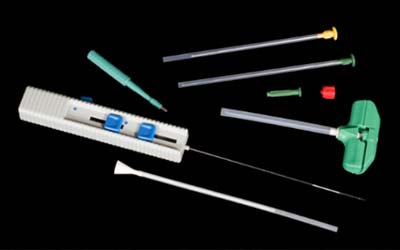
In the world of Histopathology, seldom do we still see the need for large, hunk-like specimens surgically removed for patient diagnoses. In the mid-2000s the profession began to see a transition from sizeable specimens that would consume a considerable majority of a...
by LabStorage | 0,October 1, 2021 | LabStore Highlights
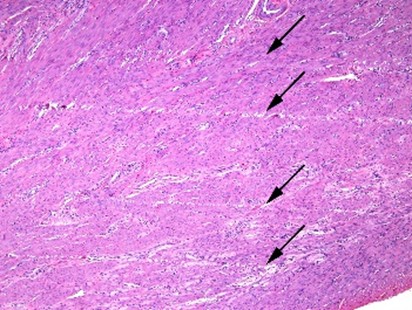
In the previous series titled, “Understanding H&E Staining”, it was stated that high volume H&E staining laboratories would experience some degree of moderate to significant loss of stain intensity during the course of their daily run. Therefore, these labs...