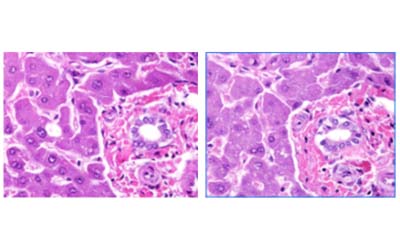
by LabStorage | 0,September 1, 2021 | LabStore Highlights
In this third and final piece of our series on H&E staining comprehension, we will discuss a) the steps involved in achieving the optimal stain; a concept known as balance of coloration; and b) quality assurance steps necessary to monitor and maintain consistency...
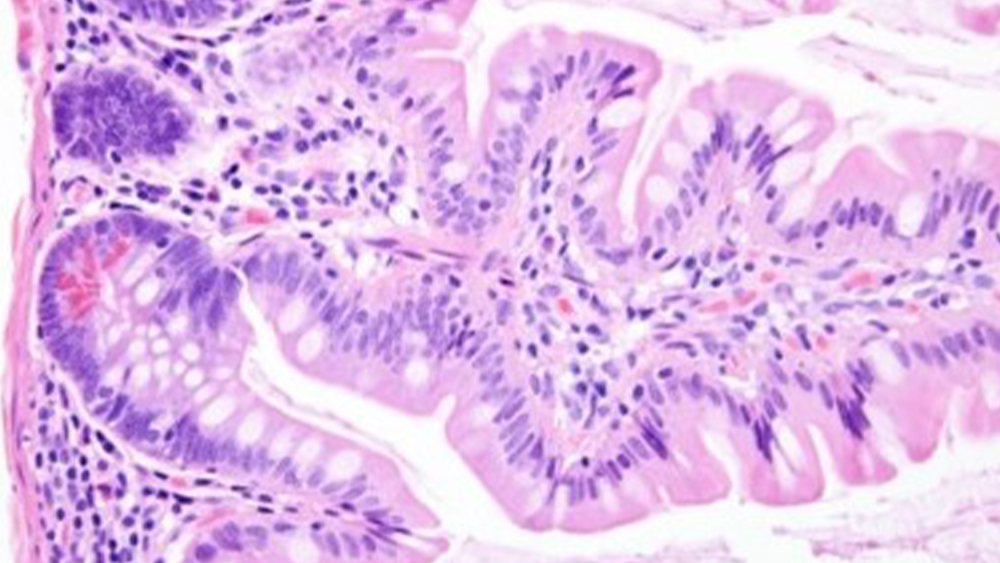
by LabStorage | 0,August 1, 2021 | LabStore Highlights
In Part 1 of this article, we discussed the origin, general qualities, and staining mechanism of the basic dye, hematoxylin. In this feature, Part 2, we will discuss the most common and appropriate counterstain for routine histological staining, Eosin. Eosin, with its...
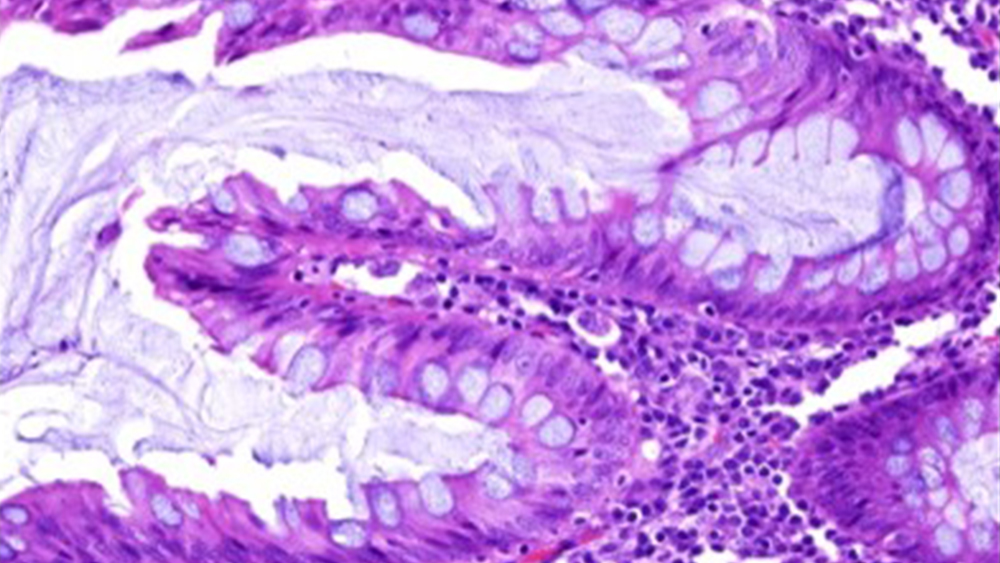
by LabStorage | 0,July 1, 2021 | LabStore Highlights
For centuries scientists and researchers have used tissue specific dyes to advance the knowledge and comprehension of cells and organs. After developing methods of preserving tissues, then performing thin layer sectioning, specimens then had to be stained in such a...
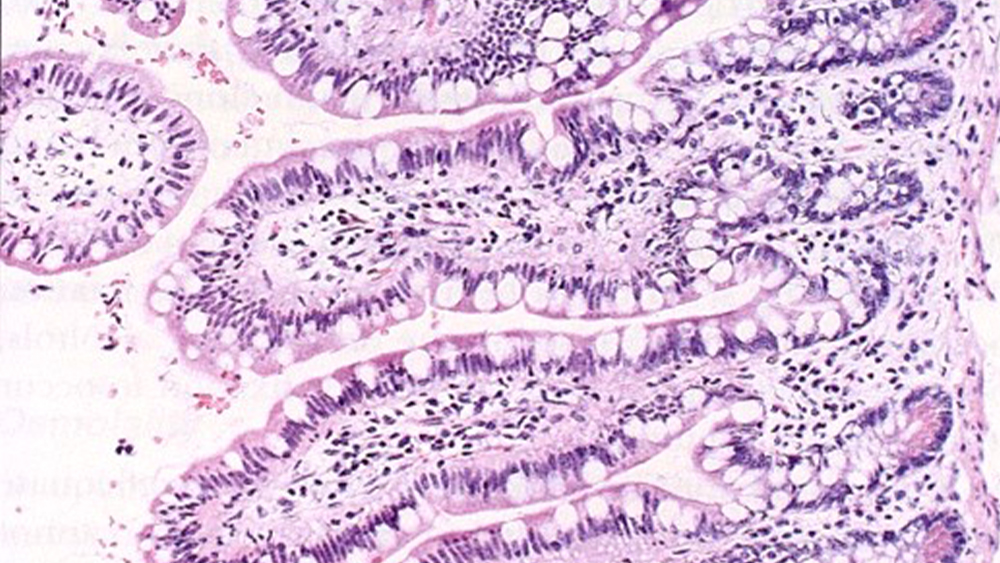
by LabStorage | 0,June 1, 2021 | LabStore Highlights
In Part 1 of this series on maintaining fixation, we discussed fixation from a histochemical perspective illustrating the process and molecular changes in tissues. Two key factors that were emphasized were the penetration rate of fixatives and the time needed for the...
by LabStorage | 0,May 1, 2021 | LabStore Highlights
The preservation and study of tissue and cells is dependent upon one’s ability to stop all cellular degradation and autolysis once tissues have been removed from the body. Cells must be suspended or ‘fixed’ to stop enzymatic breakdown and allow normal and abnormal...
by LabStorage | 0,April 1, 2021 | LabStore Highlights
Long before the discovery and advent of Immunohistochemistry in Histology, pathologists utilized and relied on the diagnostic tools of Special Stains. Within this tool founded on the concept of specific stain/dye affinity for certain tissues, Histologists realized the...

by LabStorage | 0,March 1, 2021 | LabStore Highlights
Economy in storage products and practices is a necessity that must be woven into present day lab operations and more importantly, planned for the future. In Histopathology laboratories, as in most labs, there are specimens, records, documents, etc., that are all a...

by LabStorage | 0,February 1, 2021 | LabStore Highlights
In the opening of this series on microtomy we discussed factors involved in success, such as training and technique. Also discussed was an unknown intangible mystery that frequently arises. It is a mystery of why some efforts in microtomy seem to work effortlessly,...

by LabStorage | 0,January 1, 2021 | LabStore Highlights
Histotechnology is often spoken of as an art and a science. This can also be said in reference to one of the principle components of histotechnology, microtomy. In truth, microtomy extends beyond just art and science to the intangible label of ‘mystery’. Why is it...
by LabStorage | 1,December 1, 2020 | LabStore Highlights
In Part 1 of this guidance on ‘Developing a Basic Infection Control Policy (AICP)’ we discussed the most basic gear and equipment that must be noted in your policy. It was also stated that within this current medical pandemic crisis, an AICP should be written in less...

by LabStorage | 1,November 1, 2020 | LabStore Highlights
The subject title of this article can easily be misinterpreted as an introduction to a complicated set of guidelines and directives that require overly specialized safety equipment, voluminous documentation, and extensive time to develop. As with any compliance...
by LabStorage | 1,September 1, 2020 | LabStore Highlights
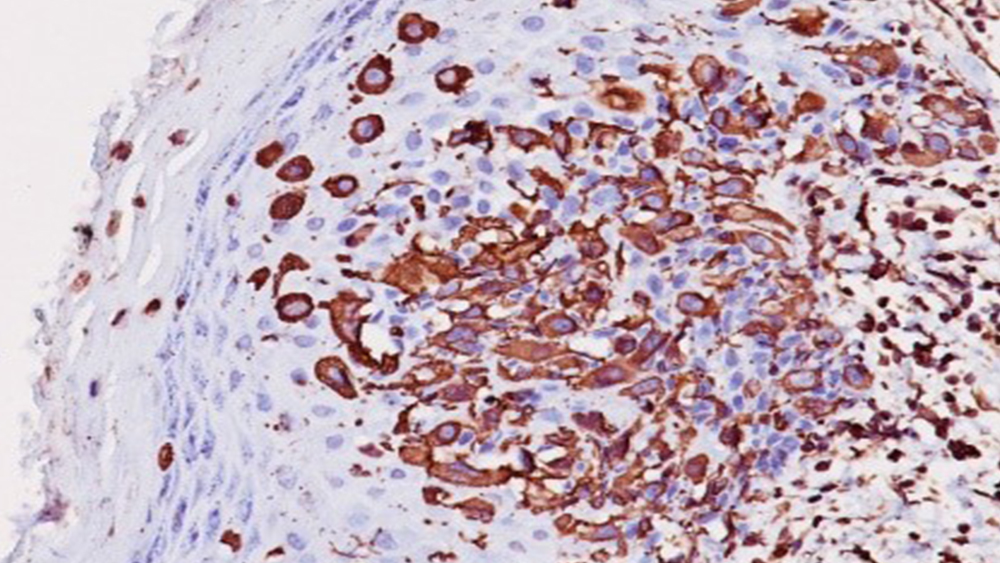
With the early onset of immunohistochemistry (IHC) in the anatomic pathology laboratory in the early to mid-1980’s, it soon proved to be a useful tool in a number of different areas of specialty including dermatology. Particularly in sun-rich states such as...