by LabStorage | 1,September 1, 2020 | LabStore Highlights
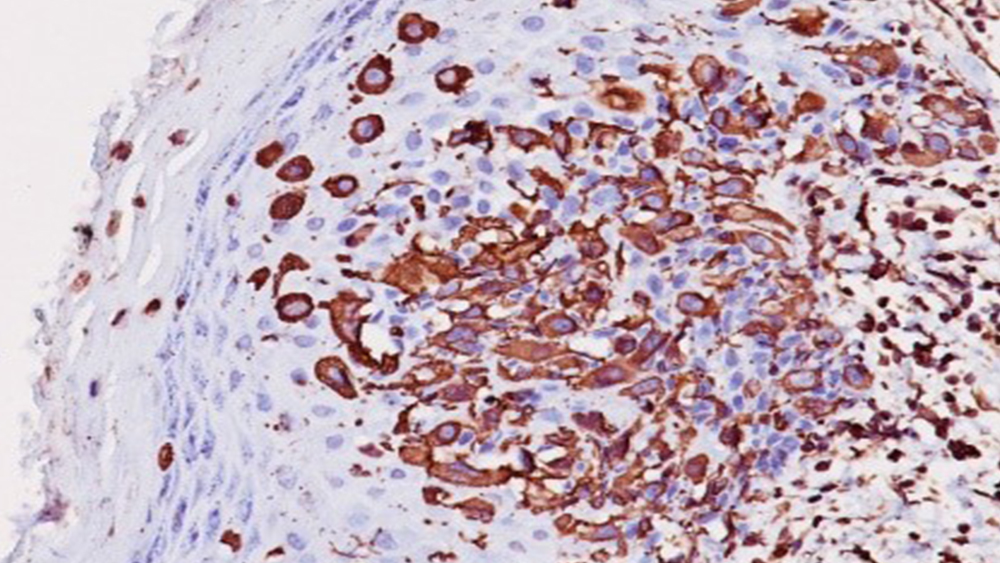
With the early onset of immunohistochemistry (IHC) in the anatomic pathology laboratory in the early to mid-1980’s, it soon proved to be a useful tool in a number of different areas of specialty including dermatology. Particularly in sun-rich states such as...

by LabStorage | 1,August 1, 2020 | LabStore Highlights
During this season of viral pandemic crisis, we see healthcare being affected in numerous different ways; none more obvious than a reduction in non-essential surgeries, outpatient services, and physician office appointments. Subsequently this has grossly affected...
by LabStorage | 1,July 1, 2020 | LabStore Highlights
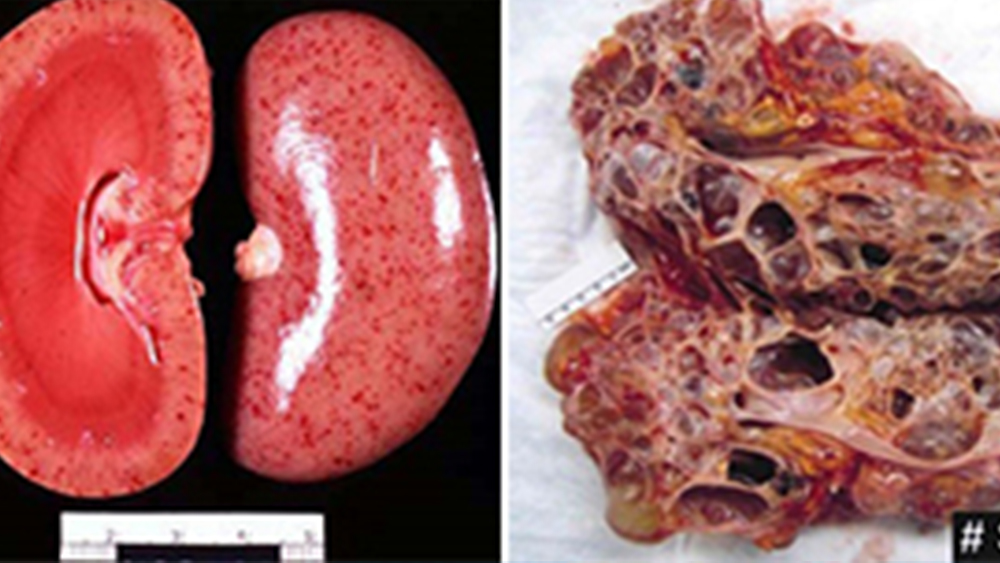
End Stage Renal Disease (ESRD) can be defined as a condition of renal function that has digressed to the point that the kidney no longer performs at a level that is self or even life sustaining. When this happens some form of life sustaining intervention must be...

by LabStorage | 1,June 1, 2020 | LabStore Highlights
The laboratory technologist is one of the seldom heard of or acknowledged of healthcare workers. In the hospital, the physicians, the nurses, even the custodial staff servicing the rooms; they are all seen and acknowledged for what they do. Yet the laboratory...

by LabStorage | 1,May 1, 2020 | LabStore Highlights
Part 2 – Environment Safety The first installment of this series (Part 1) on laboratory safety amidst the Covid-19 crisis dealt with enhancing your personal body protection. The focus was on clothing and gear designed to minimize your risk of exposure. It was...
by LabStorage | 1,April 1, 2020 | LabStore Highlights
Part 1 – Enhancing Personal Body Protection The definition of a ‘novel’ virus is a virus that has not been previously seen or documented in its present form. While a new virus may be in the same family of other known viruses, it predictably will have a variation of...

by LabStorage | 1,March 1, 2020 | LabStore Highlights
The preceding article (Optimal Fixation), discussed fixation as the foundation of tissue processing, upon which the success of all other steps is dependent. In this article we will discuss the post fixation steps in routine histological tissue processing (dehydration,...
by LabStorage | 1,February 1, 2020 | LabStore Highlights
A quote from a well-respected teaching manual in Histology states, “Fixation, the stabilization of proteins, is the singularly most important step in producing good histologic slides”. Further, “The finished microscopic tissue slide, on which a diagnosis may be made,...

by LabStorage | 1,January 1, 2020 | LabStore Highlights
Since the late 18th century glass slides have been a major platform for microscopic and diagnostic study of plant and animal morphology. The translucency of the glass material made it a perfect mounting structure for samples where light could be refracted through and...

by LabStorage | 0,December 1, 2019 | LabStore Highlights
Histotechnology is often and appropriately referred to as an ‘Art & Science’. Art, because it requires skilled craftmanship in manual operations such as microtomy, mounting multiple sections/ribbons on slide, etc. Science because of the histochemistry involved in...

by LabStorage | 0,November 1, 2019 | LabStore Highlights
Within any environment there can and most often is, some degree of conflict. Mild or severe, because we all have our own innate likes and dislikes, there are things that cause friction within our inner self. The cause of the conflict can range from a diversity of...
by LabStorage | 0,October 1, 2019 | LabStore Highlights
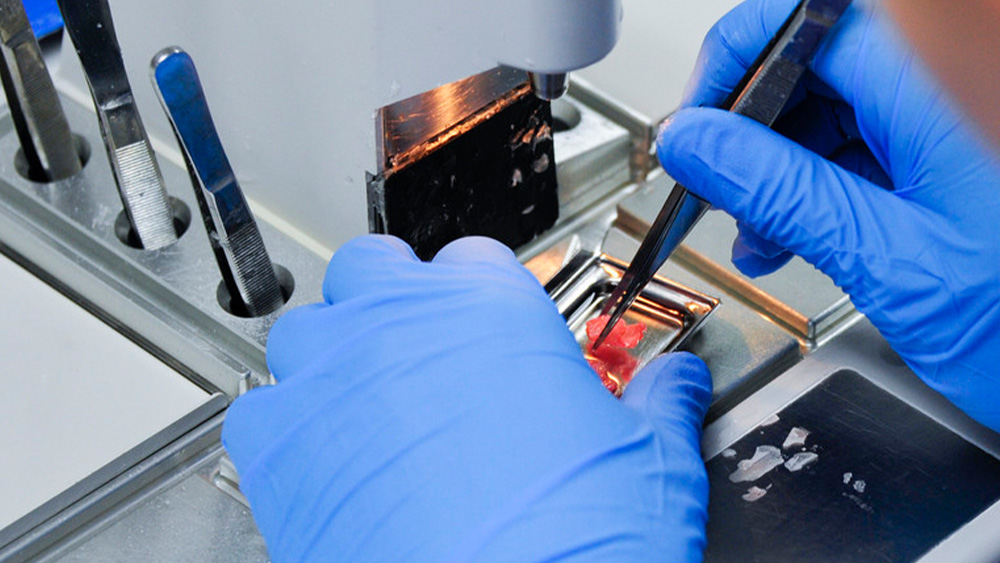
One of the most immediate areas of safety consideration for the Histotechnologist is in microtomy. Countless technicians over time, particularly those who have been in the profession long enough to remember a time before certain safety features were built in, can...